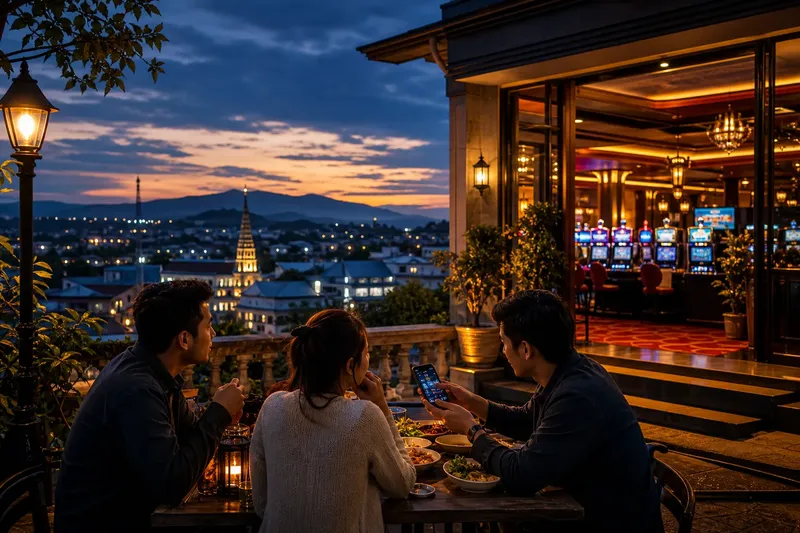
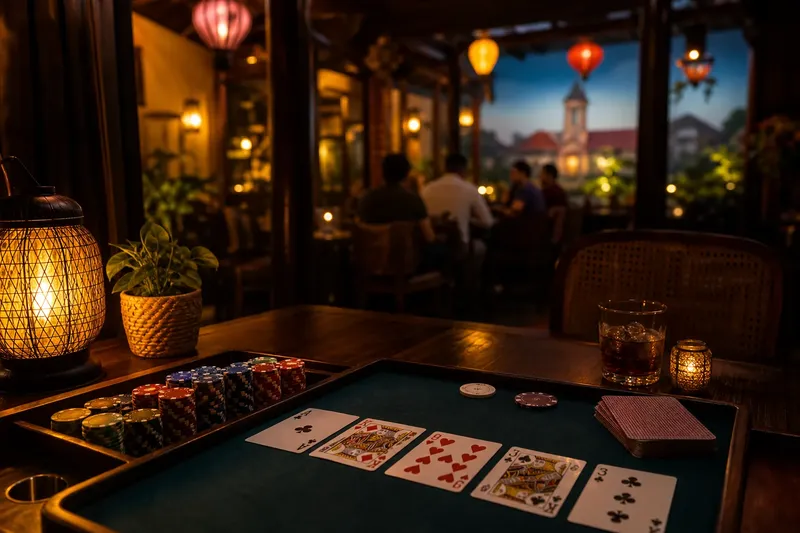
How Casino Scenes Shape a Film’s Tension
See how casino scenes use sound, framing, and editing to build tension, and learn to recognize the storytelling choices behind a room’s charged atmosphere.
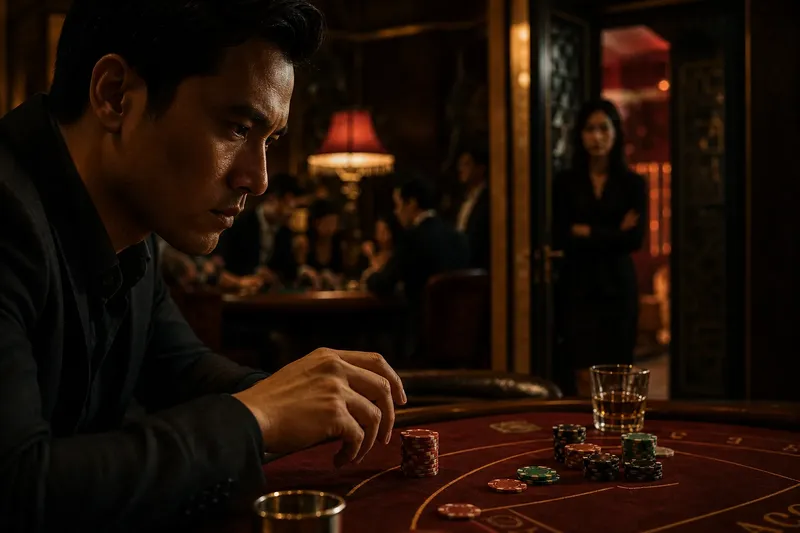
The common mistake in reading a casino scene in a film set in Kon Tum is treating its décor as the point. That can flatten a carefully built dramatic moment into a hunt for a real-world equivalent, when the more revealing clues are often the character’s choices and the way the scene controls your attention.
A felt table, a glowing sign, and a sudden hush may look like familiar casino shorthand. But the scene’s real work can be less about gambling than about who holds power, who is watching, and what someone risks by staying.
Casino scene storytelling
Filmmakers use casino-style rooms as pressure cookers. The rules appear simple, the stakes feel visible, and characters must make choices while other people observe them. That arrangement gives a director a compact way to show confidence, desperation, rivalry, or performance.
Notice who gets to move freely and who is pinned in place. A character crossing the room while others remain seated can suggest control; a close-up of a hand hovering over a token can make hesitation feel louder than dialogue.
These details work like a stage spotlight: they direct attention without explaining every motive. In a story associated with Kon Tum, the room can also create contrast with the setting beyond its doors, but that contrast serves the film’s design rather than offering a portrait of local leisure.
Sound and suspense
Listen for what the soundtrack emphasizes. A low musical pulse, the scrape of a chair, or a pause before a response can make an ordinary decision feel consequential. The absence of sound can be just as deliberate: when background chatter drops away, the viewer is pushed toward a character’s face or hands.
Sound bridges can connect scenes emotionally without implying that locations are physically close. Music may begin over one image and continue into another, making a character’s anxiety carry across the cut.
Ask whether the sound belongs to the room or to the film’s point of view. Ambient conversation suggests a shared space; a score that swells with one character may instead reveal how that person experiences the moment.
Framing and power
Camera placement shapes the room’s social geometry. A wide shot can reveal who has an audience, while a tight frame can isolate someone even in a crowded interior. Reflections, doorways, and obstructed views may turn observation into a source of tension.
Look at what the frame excludes, too. If a character’s opponent remains offscreen, the uncertainty can make the viewer share the character’s incomplete knowledge. If the camera repeatedly returns to a watching figure, the scene may be less about the game than about scrutiny.
Editing and choice
Editing determines how long a decision seems to take. Rapid cuts between faces and objects can make a room feel volatile; a held shot can force the viewer to sit with a choice. Neither pace tells you how long an event would last in real life. It tells you how the film wants the moment to land.
Pay attention to the order of information. If the film shows a character’s reaction before revealing what happened, it invites speculation. If it reveals the outcome first, the tension may shift toward watching how the character responds.
Reading a tense scene?
Why do films use casino rooms for conflict?
The setting offers visible choices, witnesses, and social pressure in one space. That lets a film make a private motive play out in public.
What does a close-up of a hand usually do?
It directs attention to hesitation, confidence, or concealment without requiring an explanation. Its meaning depends on the surrounding shots and the character’s behavior.
Does a dramatic casino scene reflect local life?
Not by itself. It is better read as a constructed scene whose design may draw on genre conventions, character conflict, and the story’s chosen setting.
A worked scene reading
Say you watch an invented scene set in a casino-style room in Kon Tum: a character begins beside a crowded table, hears a low musical pulse, and then notices a friend watching from a doorway. First, note the starting situation: the character is in public, facing a decision, with the friend’s attention newly visible. Next, observe the cut from a wide view to a close-up of the character’s still hand, followed by a shot of the friend’s fixed gaze. Finally, consider the resulting interpretation: the scene’s tension comes from being observed while hesitating, not simply from the game or the room’s décor. That reading remains useful even if the setting is fictional.
Track the film’s signals
- Sound: If music rises with one character, then read it as a cue to that person’s experience; if room noise dominates, then consider how the shared space shapes the moment.
- Framing: If the camera isolates a face or hand, then focus on the character’s immediate reaction; if it holds a wide view, then examine relationships among people in the room.
- Movement: If one character crosses the room while others remain still, then consider whether the contrast signals control; if movement is restricted, then look for pressure or vulnerability.
- Editing: If cuts accelerate around a decision, then read the pace as mounting urgency; if the film holds a shot, then consider what uncertainty the viewer must sit with.
- Information: If the outcome appears before the character reacts, then watch for emotional consequence; if the reaction comes first, then notice how the film builds suspense.
- Point of view: If a sound or image tracks one person’s attention, then treat it as subjective emphasis; if the scene presents several people evenly, then consider the group dynamic instead.
Enjoy the craft
Casino-style imagery can make a scene vivid, but its strongest clues often lie in performance, sound, framing, and the rhythm of a decision. In a film connected to Kon Tum, reading those choices reveals how the story constructs its atmosphere without confusing cinematic tension with a record of local habits.
The next time a room seems to glow with promise or menace, watch for the moment the camera changes your allegiance: whose face it favors, whose silence it extends, and whose choice it withholds. That shift often tells you more about the scene than any sign above the door.